H.Society
Contemporary society is shaped through vast networks of informational nodes (Nexus), encompassing institutions, platforms, and algorithms. These networks are not merely tools for communication—they silently reshape our values, social relationships, and power structures.Below are six examples of the social realities that information networks can either construct or fabricate:
當代社會透過龐大的資訊節點網絡(Nexus)被形塑,這些網絡包括制度、平台與演算法等組成要素。它們不僅是促進溝通的中介,更在無形中重構我們的價值觀、社會關係與權力結構。以下是六種由資訊網絡所形成或虛構出的社會樣貌例子:

The Society of the Spectacle: Seeing Without Seeing
In The Society of the Spectacle, Guy Debord argued that modern life is no longer lived directly, but through carefully staged images and narratives. We believe we’re choosing, commenting, and sharing—but in truth, we’re spectators and consumers of information. Algorithms and media shape a “spectacle” where reality becomes a show we watch but cannot influence.
德波(Guy Debord)在《景觀社會》中指出,現代人不是活在真實中,而是活在被設計過的影像與資訊中。我們以為自己在選擇、評論、分享,其實只是資訊消費者與再生產者。演算法與媒體建構出「景觀」,使現實變成可以被觀看卻無法改變的表演。
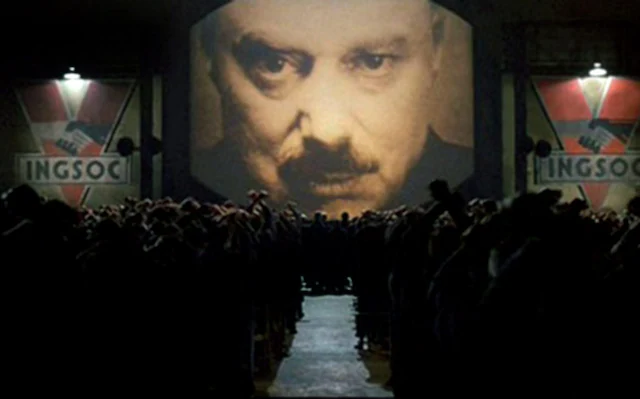
Dystopian Visions: When Information Controls Reality
From 1984’s Thought Police to Brave New World’s pleasure-driven conformity, and We’s total surveillance, classic dystopian novels reveal how information can become a tool of control. Information stops being a path to knowledge and instead becomes a mechanism for domination—constructing an illusion of freedom through stories, data, and structured order.
從《一九八四》的思想警察、《美麗新世界》的感官麻痺,到《我們》的社會監控,這些經典反烏托邦小說描繪了資訊如何變成操控工具。資訊不再只是知識的載體,而成為壓迫與順從的機制,社會透過「故事」、「數據」與「秩序」建立起表面自由、實質監控的假象。

Social Credit & Algorithmic Order
From China’s Social Credit System to global algorithmic ranking mechanisms, informational nodes are becoming tools of judgment and control. Individuals’ behaviours are recorded, scored, and interpreted—not just influencing travel or job access, but defining who is deemed “trustworthy.” In this system, information becomes both value generator and governance device.
從中國的社會信用系統到全球演算法排名機制,資訊節點正快速變成評價與懲罰的工具。個體在網絡中的行為被記錄、分析、評分,不只影響買票、就業、社交,還定義了「值得信任」的標準。資訊成為現代的價值製造器與控制機制。
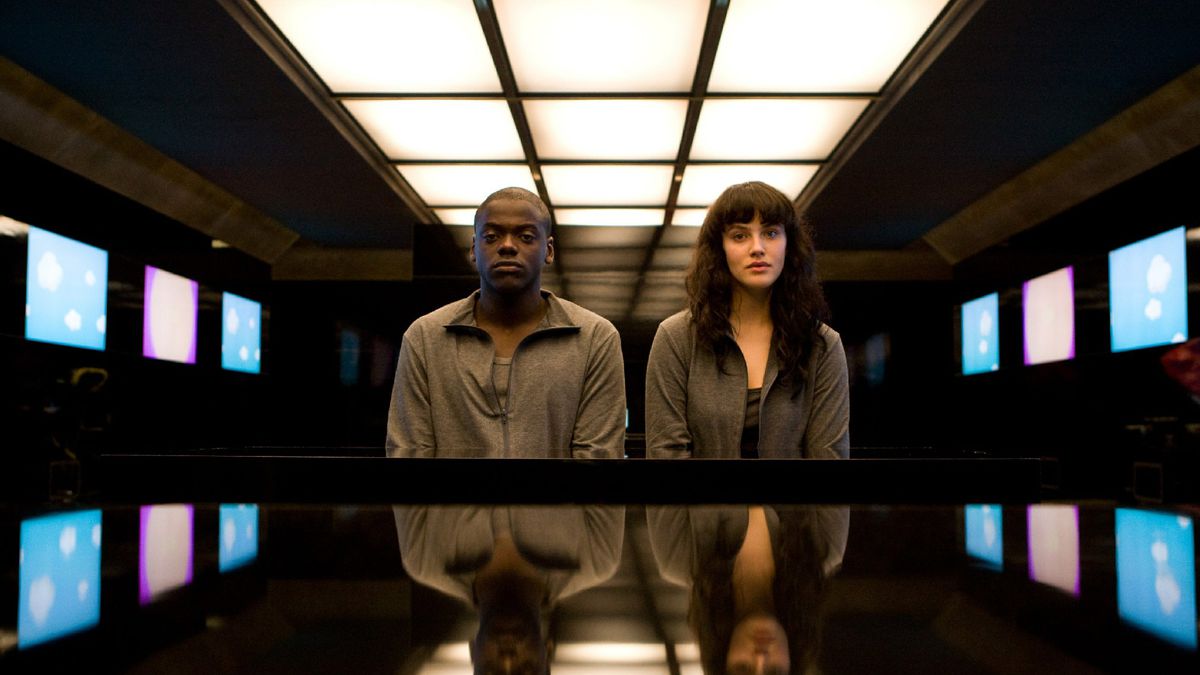
Black Mirror Society: Soft Control in a Digital World
The British series Black Mirror explores how technology, algorithms, and state power blend into a soft, digital dystopia. In Nosedive, a world of mutual social rating determines access and status. In Fifteen Million Merits, entertainment becomes a system of class control. Black Mirror warns us that information isn’t neutral—it quietly shapes emotions, relationships, and governance into an invisible system of control.
英國影集《黑鏡》描繪了科技與人性、演算法與權力如何交織出當代的數位反烏托邦。其中《墜落人生》刻畫了一個人人互評、分數決定階級的世界;《十五百萬積分》則呈現演算法娛樂如何建構社會階層。《黑鏡》提醒我們:資訊不只是工具,它能在不知不覺中塑造情感、關係與制度,打造一個「看不見的控制系統」。

Simulated Intimacy & Platformed Emotions
From likes and comments to reaction stories, social platforms simulate emotional closeness—yet what we experience is algorithmically guided sentiment. Intimacy is reduced to data points and dopamine loops, while real understanding fades behind virtual interaction.
從社群平台的按讚與留言,到限時動態的回應機制,我們以為彼此靠近,實際上卻只是演算法設定下的情感投射。這種親密感被壓縮為數據與反應,真正的關係與理解在虛擬互動中日漸稀薄。
Algorithmic Futures & Predictive Control
Our recommendations, job opportunities, credit scores—even insurance premiums—are shaped by algorithms. They do not merely predict the future—they construct it. When predictive systems replace human judgment, our fate becomes encoded in invisible lines of code.
我們的推薦清單、求職結果、信用評分,甚至保險費率,都被演算法預測與決定。它不只是預測未來,而是塑造未來。當演算法取代了判斷與選擇,我們的命運也進入了無形的程式碼秩序。